Many Peterborough homes were built long before modern insulation standards. Older brick houses near downtown, wartime bungalows and cottage-country homes on the edge of the city often have thin attic insulation, drafty walls and basements that let cold air pour in. On top of that, plenty of homes outside the gas lines heat with oil, propane or electricity, which makes every hour of furnace runtime more expensive.
If your heater seems to run all winter and the house still feels chilly, here’s how to hold on to that heat instead of paying to replace it.
Why Older Peterborough Homes Lose Heat So Fast
Heat always moves toward cold. In winter, it escapes through the roof, walls, windows and foundation, and warm air leaks out through every gap near the top of the house. In an older home, all of those paths tend to be wide open. Your furnace or boiler isn’t failing. It’s simply trying to keep up with a house that won’t hold heat.
The most efficient fix is to reduce heat loss where it’s greatest, and in most homes that means the attic.
Start With the Attic
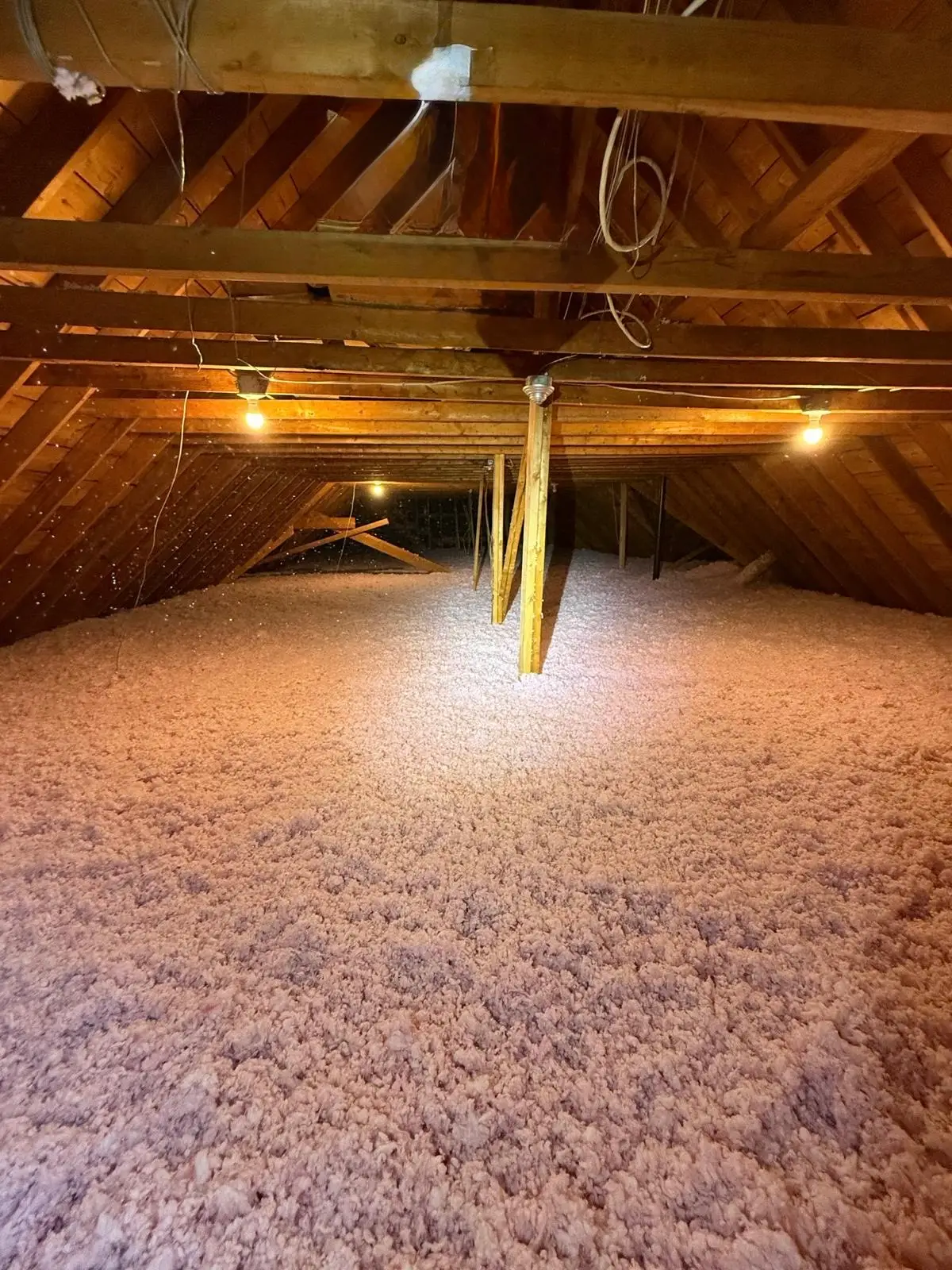
Because warm air rises, the attic is where a poorly insulated home loses heat most directly. Many older Peterborough attics have only a few inches of old batts or loose fill that has settled over the decades. Attic insulation in Peterborough is usually the upgrade that makes the biggest difference for the money.
Quick Attic Check
- Can you see the tops of the ceiling joists? You need more insulation.
- Is the insulation flattened, dusty or uneven? It’s not performing as rated.
- Are there water stains, mould or signs of mice? It may need to come out first.
- Is the attic hatch uninsulated and loose? That’s a direct heat leak.
What to Aim For
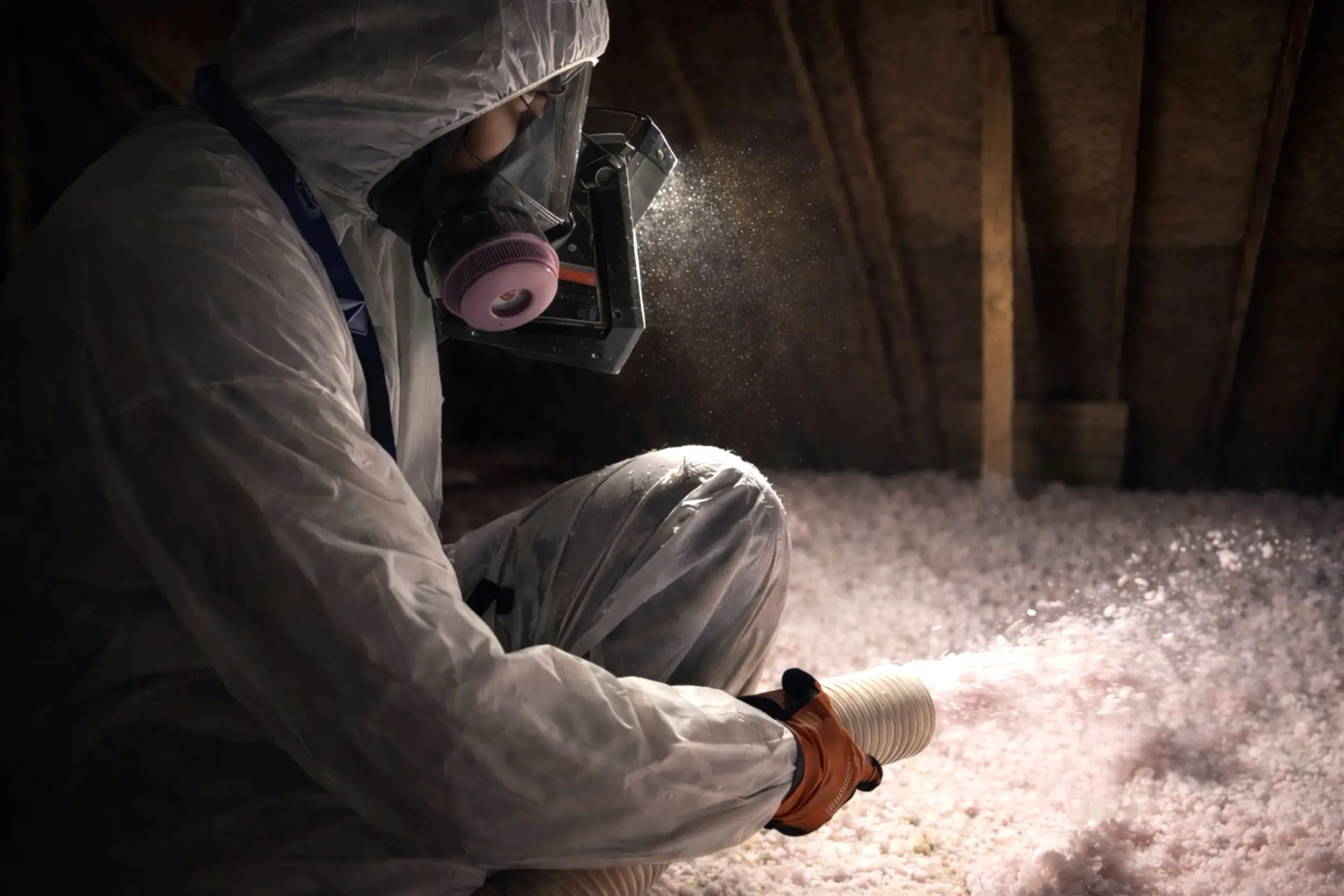
Ontario’s attic rebate program targets R-50. With blown-in cellulose, that’s roughly 13 to 15 inches of depth; with blown-in fibreglass, roughly 17 to 19 inches. Cellulose is denser and slows air movement better, while fibreglass tends to cost less. Clean existing insulation can stay in place and be topped up.
Older attics often have problems that need fixing first. If you find damaged or contaminated insulation, attic insulation removal clears the way for a fresh start. Make sure the soffit vents stay open too; baffle installation keeps air flowing at the eaves so you don’t trade heat loss for moisture problems.
Insulate the Walls You Can’t See Into
Many older homes were built with little or no insulation inside the exterior walls. If your walls feel cold to the touch on a January night, drill and fill insulation adds insulation through small holes without tearing out plaster or drywall.
Stop Basement Drafts
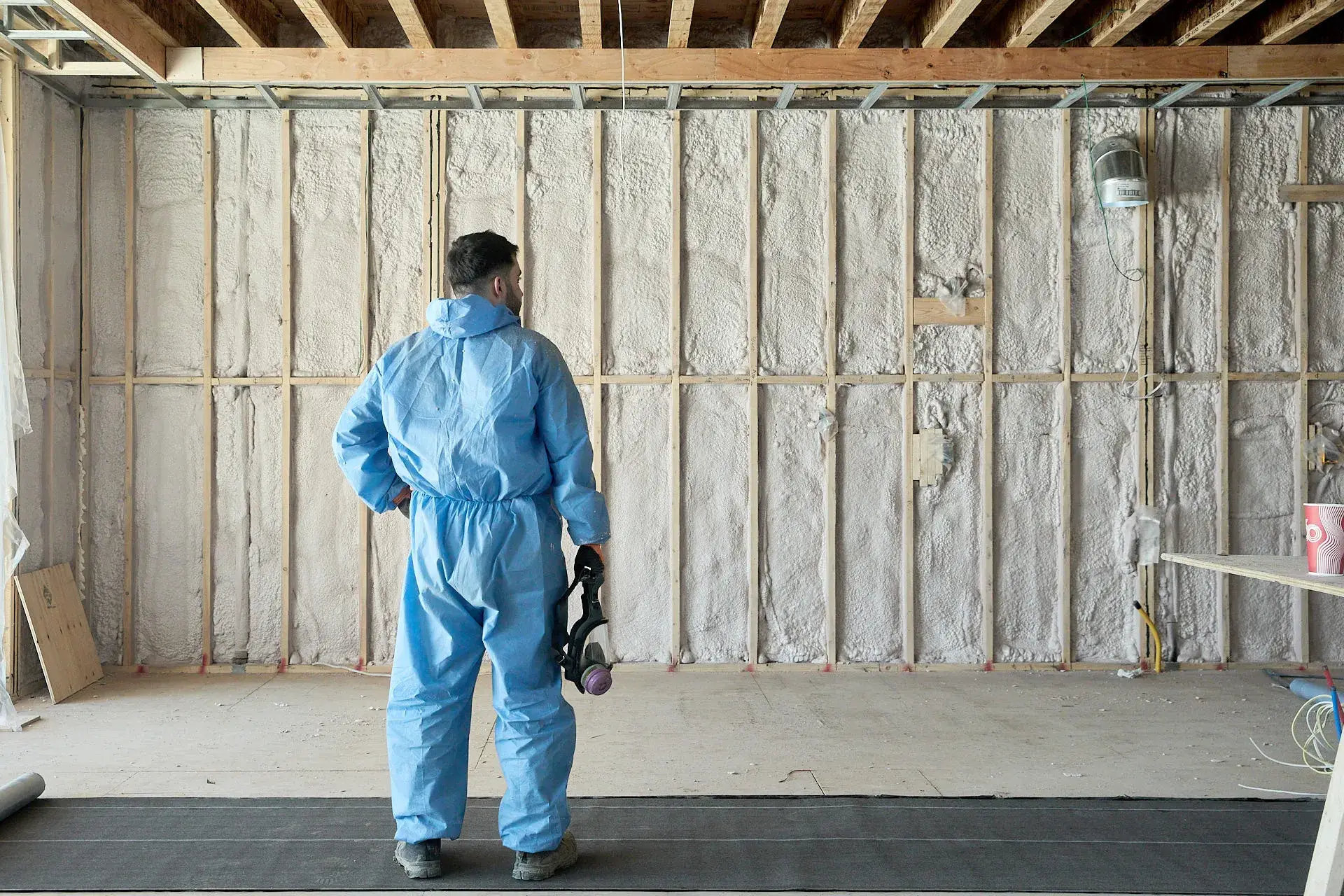
Older foundations and rim joists are often full of gaps. Cold air that enters there cools your floors and gets drawn up through the house. Spray foam insulation on rim joists and foundation walls insulates and seals in one step.
Low-Cost Habits That Help Right Away
- Put foam gaskets behind outlet and switch covers on exterior walls.
- Use heavy curtains at night and open south-facing blinds on sunny days.
- Close the fireplace damper whenever the fireplace isn’t in use.
- Have your furnace or boiler serviced before the coldest weeks arrive.
- Keep furniture off heat registers and baseboard heaters.
Heating With Oil, Propane or Electricity? You May Still Qualify for a Rebate
The Home Renovation Savings attic rebate isn’t only for natural gas customers. Homeowners who heat with electricity, oil, propane or wood can qualify as long as they’re connected to Ontario’s electricity grid. Gas-heated homes must be Enbridge Gas customers.
The attic-only path pays up to $1,250 for bringing an attic from R-12 or less up to R-50, with no energy assessment required, and lower amounts for attics that start higher. It must be completed by a program-participating contractor. Homes doing two or more upgrades can use the assessment path, which offers up to $1,500 for attic insulation. The program currently runs to November 30, 2026, and can change without much notice. See our Peterborough energy rebate page for help figuring out your options.
Frequently Asked Questions
Is attic insulation worth it in an older home?
In most cases, yes. Older homes typically start with the least insulation, so they have the most to gain. A proper assessment will also flag any ventilation, moisture or wiring issues that need attention first.
Can you insulate walls in an old plaster house?
Yes. Drill and fill insulation is designed for closed walls and avoids opening up plaster or drywall.
Does the rebate apply if my home is heated with propane?
It can. Homes heated with propane, oil, wood or electricity may qualify if they are connected to Ontario’s electricity grid. Check the official program terms for full details.
Get Your Peterborough Home Ready for Winter
Pro Insulation Contracting will inspect your attic, explain what your home needs and give you a clear quote. Book a free assessment or call 705-315-8118.