Peterborough has plenty of homes with character, and plenty of them were built long before anyone worried about heating bills. If yours has cold corners, drafty floors and a furnace that never seems to rest, you are not imagining it. The good news is that older homes respond well to a few targeted upgrades, and attic insulation is usually where the work begins.
This guide goes through the house from top to bottom.
Start by finding out what is up there
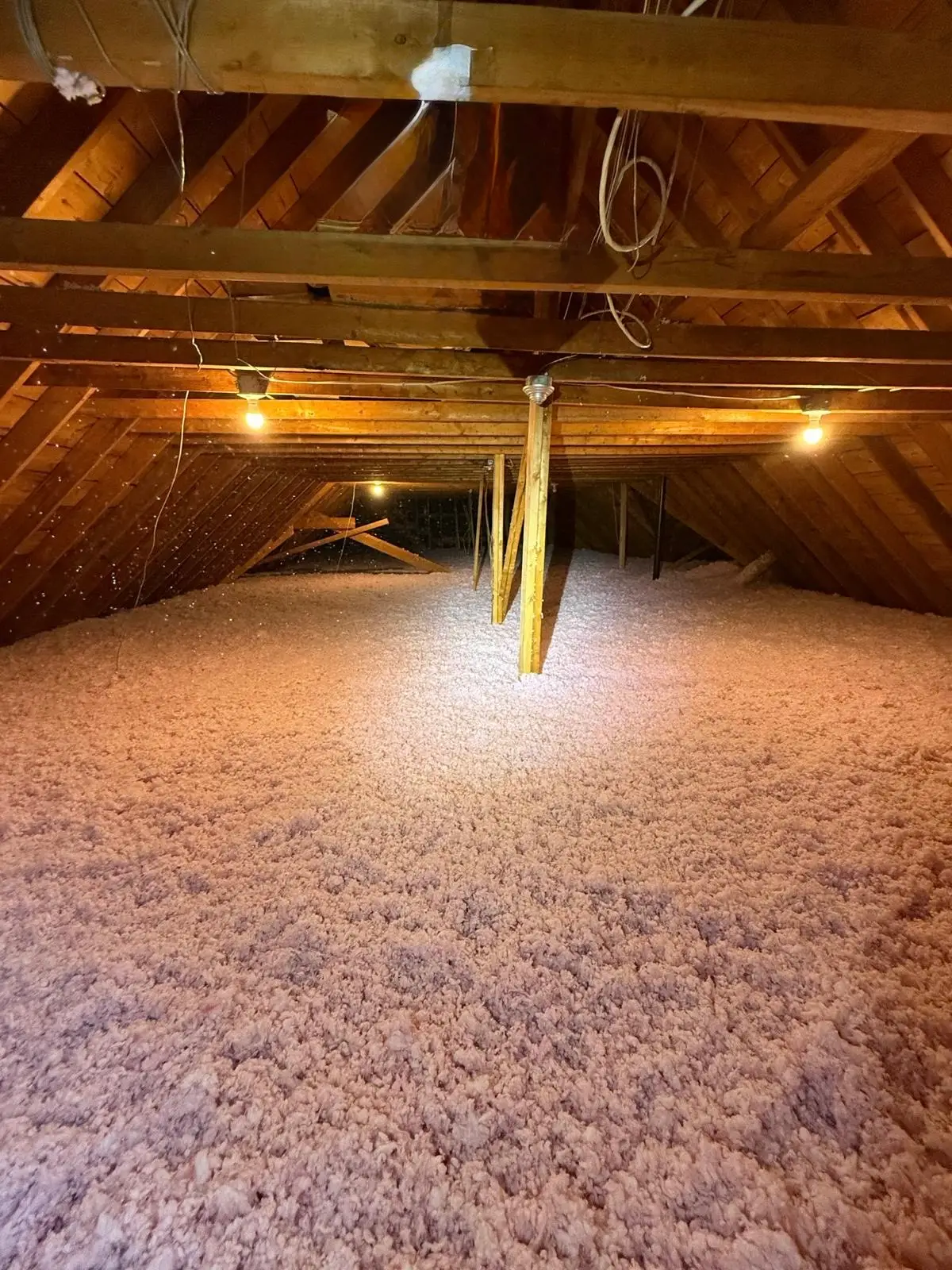
Older attics hold surprises: thin layers of original material, several generations of top-ups, or loose grey-brown granules that could be vermiculite. Natural Resources Canada advises leaving vermiculite undisturbed and having it assessed, because some of it contained asbestos. Our post on what is really above the ceiling in Peterborough’s older homes explains what you might find, and this checklist shows how to check your insulation safely.
The attic: seal, then insulate
Two jobs, in this order.
Seal the leaks. Older houses have open chases, gaps around chimneys and unsealed top plates. Natural Resources Canada’s Roofs and attics guide notes that these attic air leaks can account for substantial heat loss.
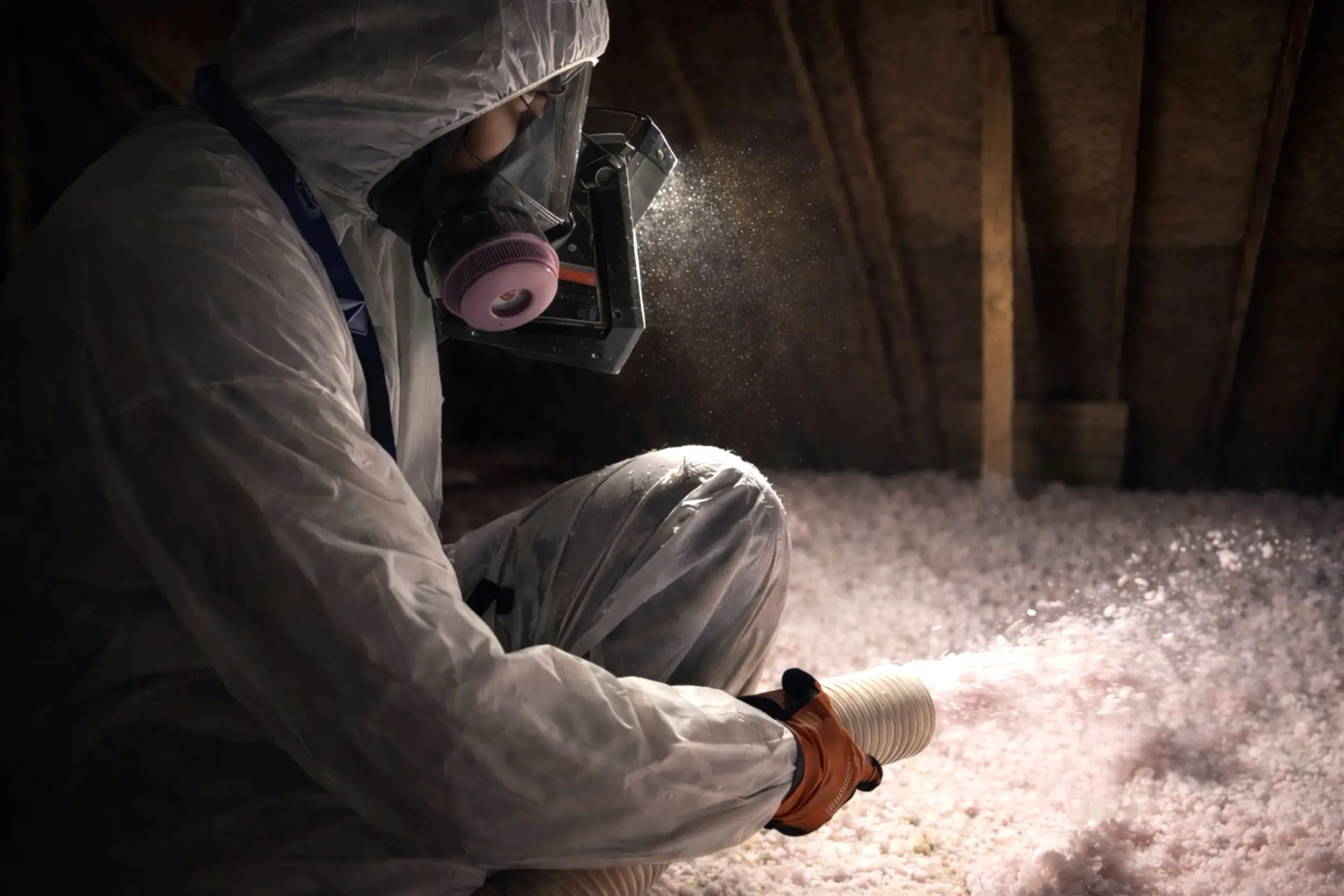
Add attic insulation. Blown-in material suits irregular old framing because it flows around obstacles. We install cellulose and fibreglass loose-fill as part of our attic insulation service in Peterborough. If the old layer is damp, mouldy or full of rodent debris, insulation removal comes first.
While we are up there, baffles keep the soffit vents open so moisture has a way out.
The walls: fill empty cavities
Many older homes have little or no insulation in the exterior walls, and Natural Resources Canada points out that uninsulated walls can lose more heat than a typical attic. Drill and fill insulation fills those cavities through small holes that are patched afterward, so plaster and trim stay in place.
The basement: stop the cold at the foundation
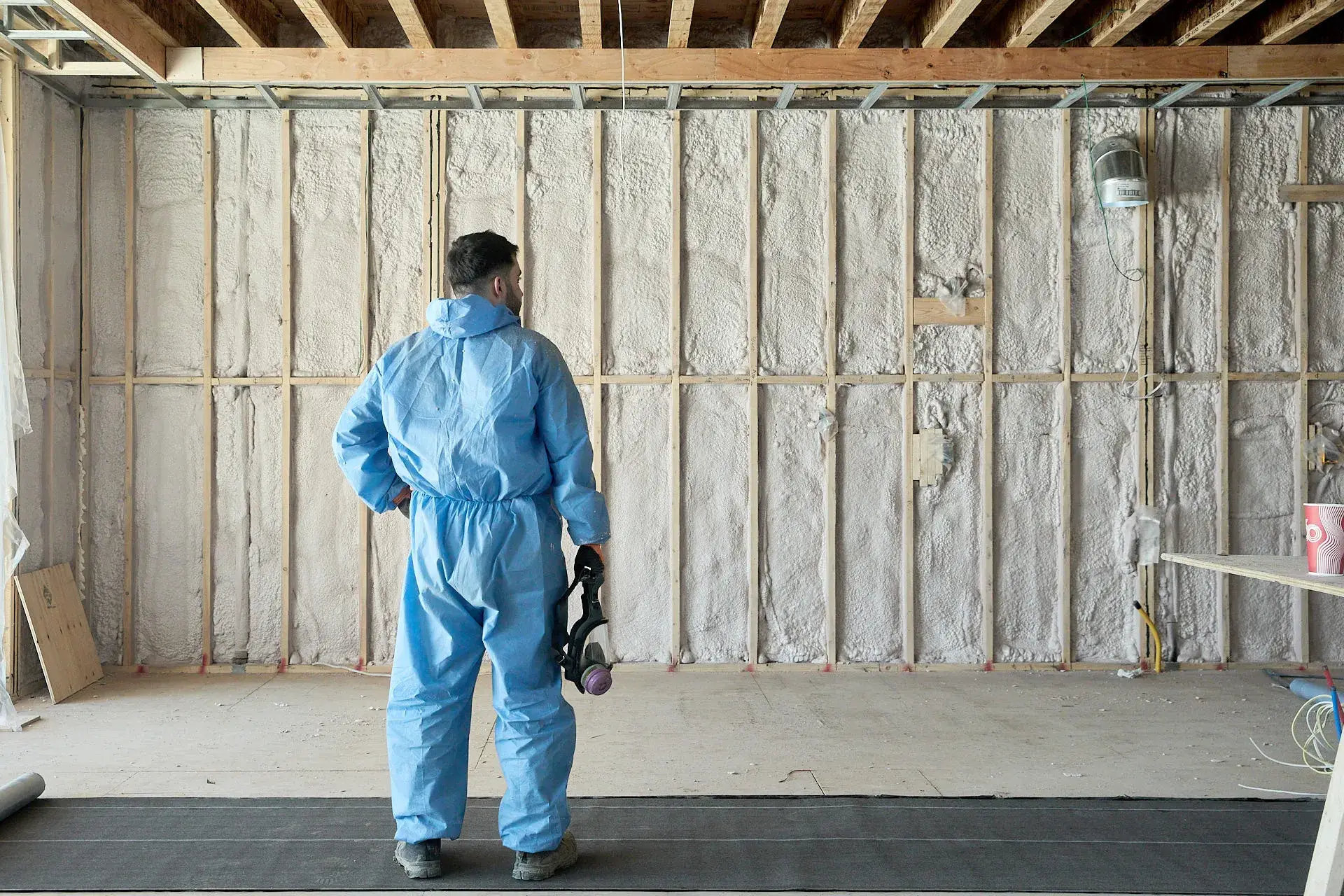
Stone and block foundations leak air, and the rim joist above them is often completely bare. Spray foam insulation seals and insulates that band in one step. For full basement walls, blanket wrap insulation is another option.
The living space: chase the drafts
Old windows and doors are rarely worth replacing just for comfort. Fresh weatherstripping, a door sweep and a tube of caulk go a long way. Natural Resources Canada has a helpful guide to weatherstripping and sealing materials.
How much warmer, and how much cheaper?
It depends on where your house is starting from. As a reference point, the U.S. EPA estimates average savings of 15% on heating and cooling costs from air sealing and insulating attics, floors over crawl spaces and basements (ENERGY STAR). That is a modelled U.S. average, so treat it as a rough guide.
Check for rebates before you book
Ontario’s Home Renovation Savings Program can offset part of the cost of eligible insulation work. Our guide to the program in Peterborough and our energy rebate page explain how it works. Program rules change, so confirm the current details.
An older home can be a warm home
For more background, read why Peterborough’s older homes were not built for today’s winters. When you are ready, get in touch for an estimate.